
Member Spotlight: Laughing Across Borders - How Andaleeb Lilley Built an English-Language Comedy Community in Zug
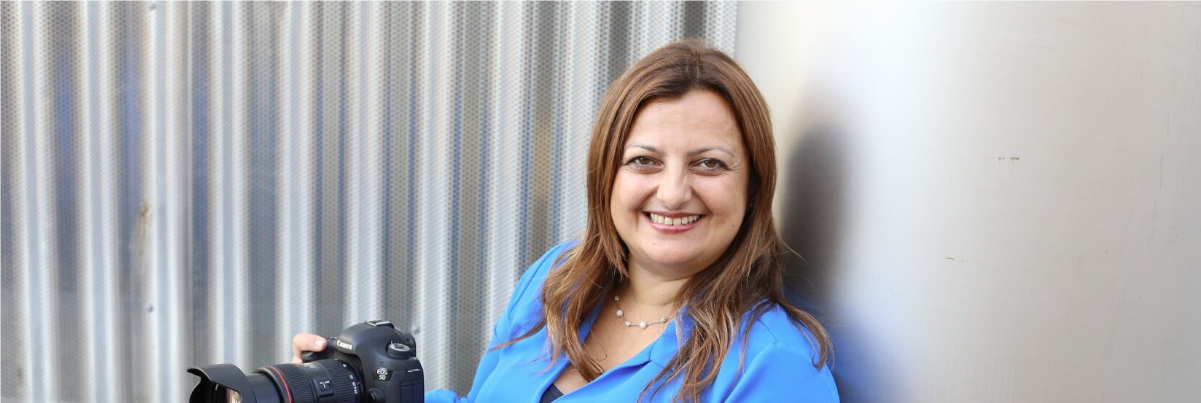
Andaleeb Lilley – Entrepreneur, Photographer, Comedian
Andaleeb has always seen humour as a powerful way to bring communities together.
She shares how she brought English-language stand-up comedy to Zug 18 years ago to create a space where people from different cultures could connect through laughter.
Her advice to expats: show up regularly, learn a few local phrases, and be patient, because in Switzerland, community may grow slowly, but it lasts. Read on to find out what Andaleeb shared with us in her interview with PWN ZZ.
What first inspired you to bring English-language stand-up comedy to Zug, especially 18 years ago when it was a very different cultural scene?
Eighteen years ago, Zug was very international but culturally quite quiet in the evenings. There were plenty of English speakers, but very few shared spaces where people from different backgrounds could come together and laugh, especially in English.
Before moving to Switzerland, I had worked for several years in fundraising and events in the UK. Around that time, my brother, who was living in Spain, had set up a comedy night near Málaga. After talking with him, I decided to try something similar here. From my UK experience, I knew humour could create connection and bridge cultures. When I looked around Zug, it felt like people were missing that kind of live, communal experience in English.
How has the local audience in Zug and central Switzerland responded to stand-up comedy over the years? Are there themes or styles that work particularly well here?
The response has been incredibly positive. What began as a small, curious audience has grown into a diverse group of regulars, locals, expats, students, professionals, and even tourists, all coming for a shared laugh and a sense of connection.
Observational humour works especially well, particularly when it reflects everyday life and the quirks of living between cultures. Comedy about shared experiences, navigating Swiss bureaucracy, recycling, language mix-ups, the weather, relationships, and life abroad tends to land beautifully. Self-deprecation, clever storytelling, and sharp but kind observations about Switzerland always get a great reception.
What are the biggest challenges and rewards of curating an ongoing comedy series?
Running an ongoing comedy series means wearing many hats: booker, producer, promoter, problem-solver, and, more recently, host. Everything depends on you, from PR and ticket sales to briefing comedians and setting the energy in the room. One of the biggest challenges is consistency: keeping quality high, audiences engaged, and the programme fresh month after month. In the beginning, earning the audience’s trust took time.
The rewards mirror the challenges. You get to shape the atmosphere, champion great talent, and watch a show grow into a cultural fixture rather than a one-off event. The real payoff is seeing that trust come full circle: people bring friends, performers want to return, and the series becomes something audiences genuinely look forward to.
You’ve lived and studied in many places around the world. How do those global experiences reflect in the roles that make up your life: spouse, mum, artist, and community organiser?
Living and studying in very different parts of the world taught me adaptability and empathy. Being exposed to different cultures and ways of communicating showed me there’s more than one way to live.
That perspective definitely shapes how I raise my family. It’s made me more open, curious, and empathetic, and I try to share my love of travel with my children whenever possible. Recently, we travelled to Pakistan, where my dad is from, and to Japan, where we made some wonderful memories together.
As an artist, these experiences give me a constant stream of material and inspiration. As a community organiser, they help me create spaces that feel authentic, welcoming, and inclusive. I also continue to use the experience I have in different ways. For the past year, I have worked one day a week in events for the local football club. My son plays football for them, and I enjoy the grassroots feel of football because working in international football is what kept me in Switzerland 25 years ago, but that’s another story!
You’re working on a children’s book series inspired by travel. What does that project mean to you, and what can readers expect?
This project is very close to my heart. Travel has shaped so much of who I am, and the idea for the books came to me years ago while visiting Berlin with my children. They brought small rubber lizards with them and hid them all over the hotel room, taking them everywhere we went.
I loved the idea of seeing a city through the eyes of a child’s toy. That sense of curiosity, openness, and wonder is what I want to pass on to young readers. The stories will be adventurous, playful, and humorous, with memorable characters and gentle learning about different cities and cultures.
How do you blend work, community organising, and family life in Switzerland, which can be quite traditional in some respects?
It’s an ongoing balancing act. Switzerland can feel quite traditional, but I’ve learned to work with those structures rather than against them, while still redefining what balance looks like for me. Clear boundaries, flexibility, and a strong support network make a big difference.
In both community work and family life, the same principles apply: care, responsibility, and showing up authentically and consistently.
I also like to think outside the box too. Over the past few years I have organised several charity fundraising party nights with a friend, and raised almost 50,000 CHF for four different charities. Our last one was in May, when the theme was Star Wars - “May the 4th be with you” 😊 - and the Zug and expat crowd totally embraced the idea. We contacted a local Star Wars club, and they all came along in full regalia and brought along droids with them too - it was an amazing night!
Do you have any tips for expats who want to immerse themselves in the local community, especially if they don’t yet speak the local language (fluently)?
Show up consistently, learn a few key phrases, respect local rhythms, and give relationships time. You don’t need perfect language skills to belong; regular presence matters more.
Choose one or two local activities and attend every week, whether that’s a sports club, volunteer group, parents’ association, or cultural event. Familiar faces go a long way in Switzerland. Even a few words of the local language, simple greetings and "thank-yous", are deeply appreciated. Most of all, be patient. Community here grows slowly, but once it forms, it’s genuine and long-lasting.